at what level of glucose is considered diabetic Hba1c glucose nhs diabetic diabete mmol insulin env hypoglycemia ontwerp grafische diagnosing naturalwaystolowerbloodsugar convert sanità informazioni muscolo evaluate regimen tracking
Diabetes is a chronic condition that affects millions of people around the world. It is a metabolic disorder in which the body cannot produce or use insulin effectively, resulting in high blood sugar levels. There are two main types of diabetes, type 1 and type 2. Type 1 diabetes is usually diagnosed in children and young adults and occurs when the body’s immune system attacks and destroys the cells that produce insulin. Type 2 diabetes is the most common form of diabetes and is usually diagnosed in adults. It occurs when the body becomes resistant to insulin or when the body is unable to produce enough insulin to regulate blood sugar levels. Symptoms of diabetes can vary, but some common symptoms include increased thirst, frequent urination, blurred vision, fatigue, and weight loss. People with diabetes are at a higher risk for other health complications such as heart disease, stroke, kidney disease, nerve damage, and vision loss. The causes of diabetes can be complex and may include genetic factors, lifestyle choices, and environmental factors such as obesity and physical inactivity. Risk factors for developing diabetes include being overweight or obese, having a family history of diabetes, being over the age of 45, and being physically inactive. Managing diabetes is important to prevent complications and maintain good health. Treatment for diabetes may include medications such as insulin, oral medications, and lifestyle changes such as eating a healthy diet, exercising regularly, and monitoring blood sugar levels. One important tool in managing diabetes is the HbA1c test, which measures the average blood sugar levels over the past two to three months. This test is used to monitor how well diabetes is being managed and to adjust treatment as necessary. The results of the HbA1c test are reported as a percentage, with lower percentages indicating better blood sugar control. In conclusion, diabetes is a serious and complex condition that requires ongoing management and treatment. By making lifestyle changes and working with healthcare professionals to manage blood sugar levels, people with diabetes can live healthy and fulfilling lives. If you have diabetes or are at risk, it is important to talk to your healthcare provider about how to manage your condition and reduce your risk of complications.
If you are looking for What Is Considered Diabetic Glucose Level - DiabetesProHelp.com you’ve came to the right page. We have 5 Pics about What Is Considered Diabetic Glucose Level - DiabetesProHelp.com like Diabetes Home Remedies: How to Lower Blood Sugar Levels, Hba1c Conversion Table Nhs | Brokeasshome.com and also What Is Diabetes, Diabetes Types, Causes, Symptoms, Risk Factors. Here you go:
What Is Considered Diabetic Glucose Level - DiabetesProHelp.com
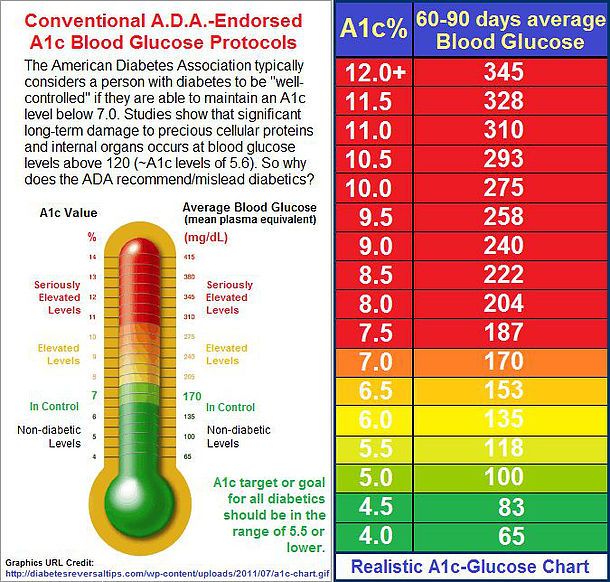 www.diabetesprohelp.comWhat Is Diabetes, Diabetes Types, Causes, Symptoms, Risk Factors
 www.makeupvine.comblood diabetes sugar chart level diabetic healthy glucose control acceptable types staying maintaining key patient causes high symptoms fruits factors
Diabetes Home Remedies: How To Lower Blood Sugar Levels
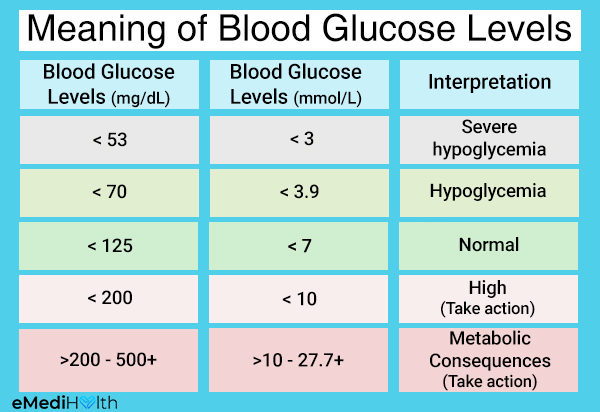 www.emedihealth.comglucose chart
Pin On Bloodsugar
 www.pinterest.comblood chart sugar diabetes levels normal glucose level diabetic type diabetesmealplans a1c printable
Hba1c Conversion Table Nhs | Brokeasshome.com
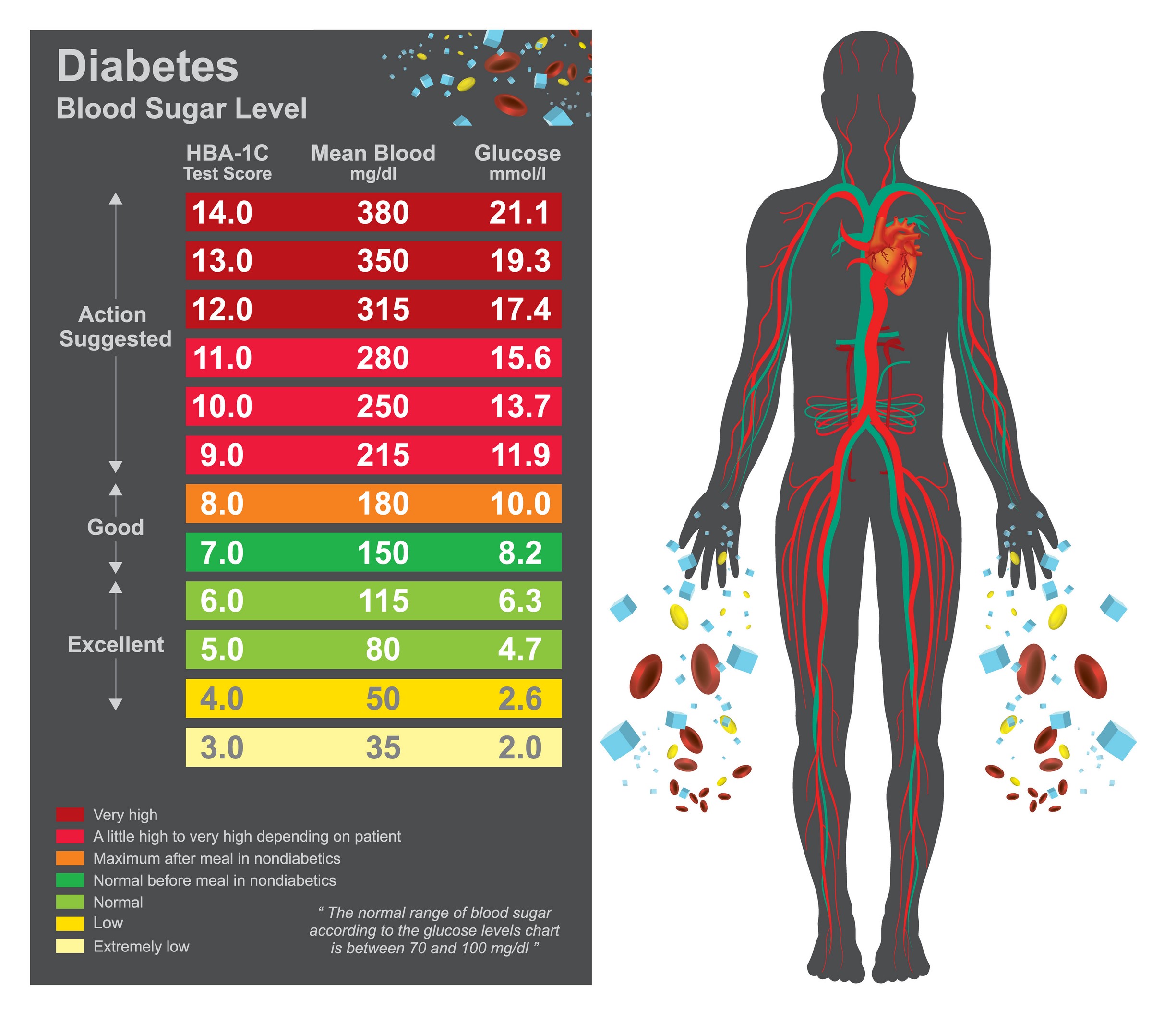 brokeasshome.comhba1c glucose nhs diabetic diabete mmol insulin env hypoglycemia ontwerp grafische diagnosing naturalwaystolowerbloodsugar convert sanità informazioni muscolo evaluate regimen tracking
Pin on bloodsugar. Glucose chart. Diabetes home remedies: how to lower blood sugar levels